Nils Jenkins · 25 October 2026
How Feedback Systems Influence Participation Levels in Regional Digital Ecosystems
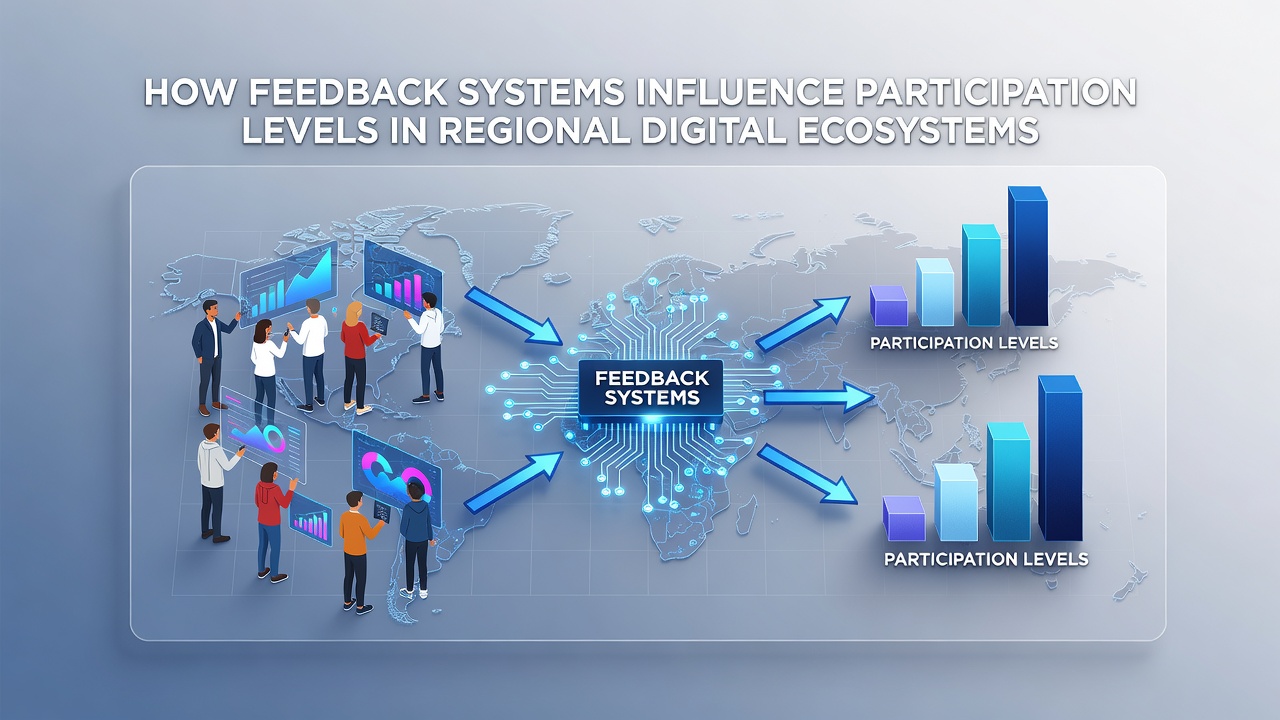
Feedback systems in regional digital ecosystems operate through structured loops that collect, process, and redistribute user input across platforms serving local communities, and these mechanisms directly shape participation rates according to multiple studies conducted between 2023 and 2026. Researchers at institutions tracking digital infrastructure note that when platforms implement real-time rating tools, comment threads, and algorithmic response indicators, engagement metrics shift measurably within weeks of deployment. Data from the OECD Digital Economy Outlook indicates that regions adopting integrated feedback channels saw average participation increases of 18 to 27 percent over two-year periods, particularly in areas where users could see immediate effects from their contributions.
Core Components of Regional Feedback Mechanisms
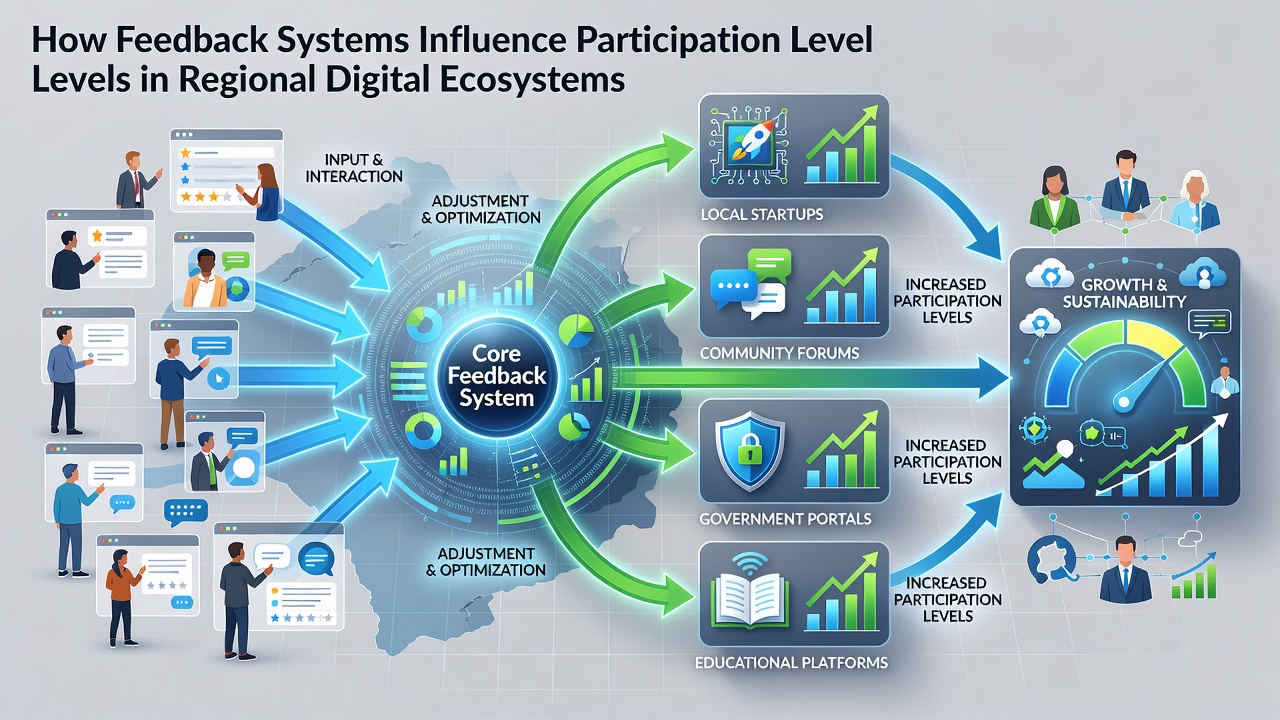
Regional digital ecosystems rely on several interconnected feedback types that range from explicit ratings and surveys to implicit behavioral signals captured through usage patterns. Explicit systems allow participants to submit direct evaluations of content, services, or fellow users while implicit ones track metrics such as session duration, content sharing frequency, and navigation paths. Observers note that platforms combining both approaches tend to sustain higher retention because users receive confirmation that their actions influence visible outcomes, and this dual structure appears across multiple case examples in European and North American regional networks.
Algorithmic processing plays a central role in translating raw feedback into platform adjustments. Systems analyze aggregated responses to prioritize certain content or features, which in turn affects what new users encounter upon joining. Evidence from academic research published through Canadian university consortia shows that when feedback processing occurs transparently, with clear explanations of how inputs drive changes, participation climbs further than in opaque environments. This transparency reduces drop-off rates, especially among newer members who might otherwise disengage after initial interactions.
Observed Effects on Participation Metrics
Participation levels respond to feedback system design in consistent patterns documented across different geographic scales. In smaller regional networks, quick acknowledgment of user suggestions correlates with sustained activity because individuals perceive their input as valued within a contained community. Larger ecosystems demonstrate similar trends when localized subgroups receive tailored feedback interfaces that reflect regional priorities rather than generic global templates. Figures from the Australian Digital Transformation Agency's 2025 platform assessments reveal that ecosystems incorporating region-specific feedback filters experienced 22 percent higher monthly active user counts compared to those using standardized systems.
Negative feedback loops also exert measurable influence, often accelerating disengagement when users repeatedly encounter unresolved complaints or unaddressed concerns. Platforms that route negative input into visible resolution pathways, such as public status updates or moderated discussions, mitigate these effects and maintain steadier participation curves. Studies tracking activity through October 2026 indicate that regional networks updating their feedback protocols mid-year recorded rebounding engagement numbers within four to six weeks of implementation, suggesting adaptability remains a key factor in long-term user retention.
Comparative Regional Examples and Data Patterns
Different regions illustrate varied outcomes based on how feedback systems integrate with existing infrastructure and cultural expectations around digital interaction. European regional platforms emphasizing collective moderation features report stronger community-driven participation spikes during seasonal events, whereas North American counterparts focusing on individual reward signals tied to feedback responses show steadier baseline activity throughout the year. These distinctions emerge clearly in comparative reports that examine platform logs alongside demographic participation data.
What's notable across these examples is the role of timing and visibility in feedback delivery. Systems that surface aggregated results promptly, such as weekly community impact summaries, foster repeated engagement cycles because participants can track progress without excessive effort. Research indicates that delayed or buried feedback reduces the motivational effect, leading to lower contribution rates over successive months. Platforms in October 2026 updates began experimenting with predictive feedback previews that forecast potential outcomes before users commit input, and early indicators suggest these features further stabilize participation levels in tested regions.
Integration Challenges and Platform Adjustments
Implementing effective feedback systems requires balancing data volume against processing capacity, especially in resource-constrained regional setups. Overloaded systems risk delayed responses that diminish perceived value, while underutilized channels fail to capture sufficient input for meaningful adjustments. Network operators address these issues through phased rollouts that prioritize core features before expanding to advanced analytics layers, and data from multiple deployments confirms this staged method supports more consistent participation growth.
Security and privacy considerations also shape how feedback influences ongoing involvement. Regions enforcing stricter data handling protocols around user input demonstrate higher trust metrics that translate into elevated activity, as participants feel safer contributing detailed responses. External analyses from institutions like the European Commission's Joint Research Centre highlight correlations between robust privacy frameworks and sustained ecosystem vitality across several cross-border digital initiatives.
Conclusion
Feedback systems continue to serve as pivotal elements within regional digital ecosystems by channeling user input into platform evolution that directly affects participation dynamics. Evidence accumulated through 2026 demonstrates that transparent, timely, and regionally attuned mechanisms produce measurable lifts in engagement across diverse settings, while integration challenges around capacity and privacy require ongoing management. Continued monitoring of these systems will clarify how evolving designs sustain or alter participation trajectories in the years ahead.