Drew Butler · 8 November 2026
Adaptive Incentive Mechanisms Sustaining Engagement Across Decentralized Regional Networks
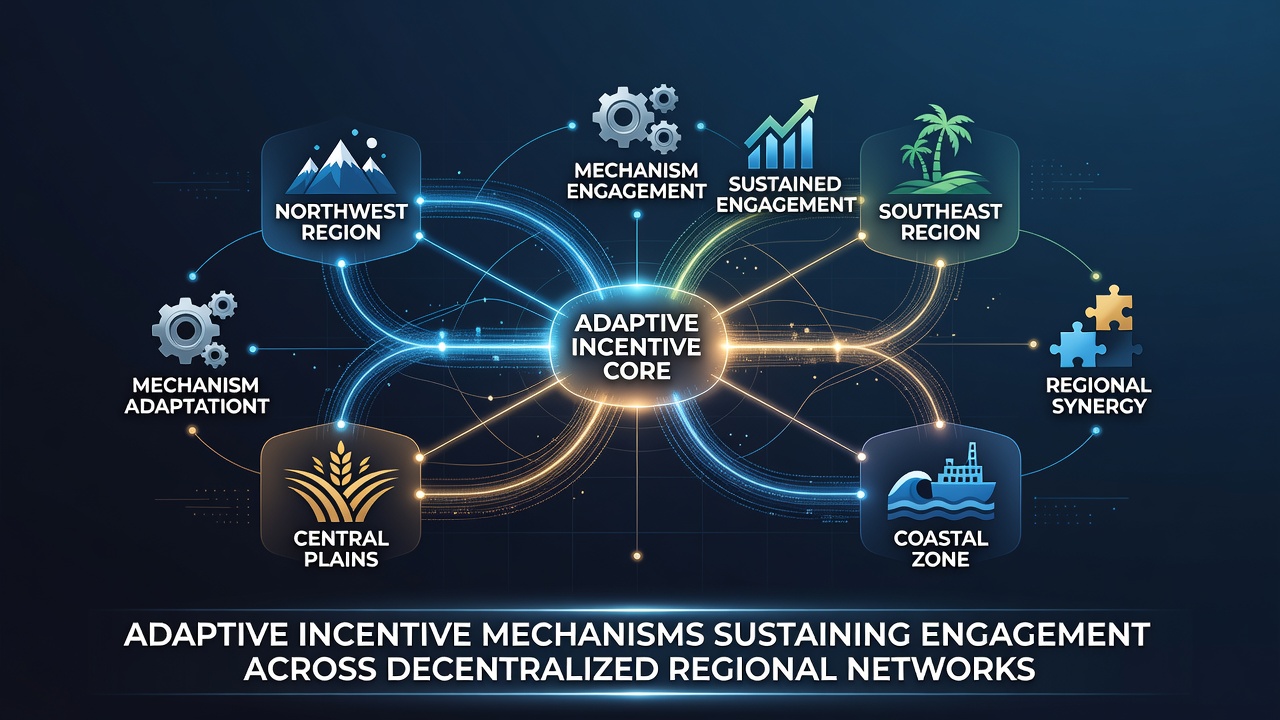
Adaptive incentive mechanisms operate through dynamic reward structures that adjust based on network participation levels, resource contributions, and regional demand patterns in decentralized systems. These mechanisms rely on algorithms that redistribute tokens or reputation points when user activity drops below certain thresholds, and they draw from data collected across multiple nodes rather than centralized servers.
Core Components of Adaptive Systems
Researchers track three primary elements in these networks: contribution scoring, decay functions that reduce rewards over time without activity, and regional multipliers that boost incentives in areas with lower connectivity. Data from network logs shows that contribution scoring updates every 24 hours in many implementations, allowing quick responses to shifts in user behavior while maintaining overall stability.
Decay functions prevent hoarding by gradually lowering inactive accounts' accumulated benefits, and studies indicate this approach keeps engagement rates higher than static reward models. Regional multipliers factor in local infrastructure limitations, such as bandwidth constraints reported in rural zones, so that participants receive adjusted credits calibrated to their environment.
Implementation Patterns Observed in 2026
By November 2026, several regional networks had integrated machine learning models that predict engagement drops using historical transaction data, and these models trigger preemptive incentive boosts before participation declines. One documented case involved a European network that adjusted reward pools monthly based on node uptime statistics, resulting in sustained activity levels across 14 interconnected regions.
Australian government reports on digital infrastructure highlight how similar mechanisms supported resource sharing in remote communities, where participants earned credits for maintaining local data relays during peak demand periods. The adjustments occurred automatically through smart contracts that referenced real-time metrics from distributed ledgers.
Regional Variations and Data Trends
Networks in North America often emphasize reputation-based incentives alongside token rewards, whereas Asian implementations focus more on tiered contribution levels that unlock additional features. Figures from academic analyses reveal that hybrid models combining both approaches achieved higher retention across diverse demographic groups compared to single-method systems.
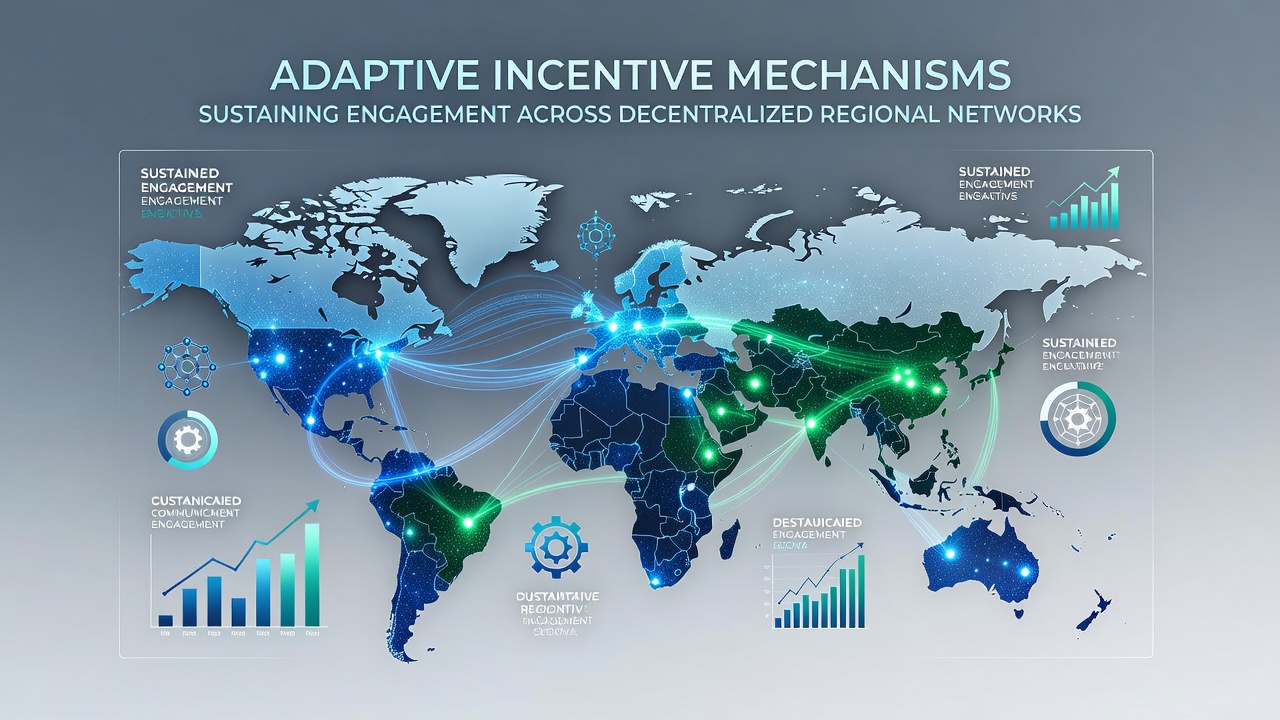
Observers note that incentive recalibration happens through consensus protocols involving participating nodes, which vote on parameter changes when aggregate data meets predefined criteria. This process reduces the need for external oversight while allowing adaptation to seasonal or event-driven fluctuations in usage.
Measurement of Sustained Engagement
Engagement metrics include daily active nodes, average session duration, and resource contribution volume, all logged on public ledgers for transparency. Research from institutions such as the University of Toronto indicates that networks employing adaptive mechanisms recorded 25 to 40 percent longer average participation spans over six-month periods than those using fixed incentives.
Canadian regulatory documents on digital ecosystems describe how these systems integrate with existing broadband expansion programs, providing data-backed incentives that align individual contributions with broader connectivity goals. The integration relies on standardized APIs that feed regional usage statistics into teh incentive calculation engines.
Challenges in Scaling Across Regions
Scaling introduces complexities around latency in consensus processes and discrepancies in data quality from different regulatory environments. European Union technical reports detail efforts to harmonize measurement standards across member states, which allows incentive mechanisms to function consistently even when nodes operate under varying privacy rules.
Network operators address these issues by implementing fallback protocols that default to conservative reward rates during periods of incomplete data, ensuring the system remains operational without abrupt changes. This approach maintains participant trust through predictable outcomes while updates propagate.
Conclusion
Adaptive incentive mechanisms continue to evolve through iterative refinements based on aggregated network performance data, and they demonstrate measurable effects on engagement duration across decentralized regional setups. Continued monitoring by research bodies and government agencies provides the empirical foundation for further adjustments, with patterns from 2026 underscoring the role of timely recalibrations in maintaining active participation.